
Views: 0 Author: Site Editor Publish Time: 2026-10-20 Origin: Site


High-quality outdoor furniture requires a significant upfront investment. We often feel drawn to beautiful patio setups, only to watch them deteriorate rapidly. The wrong choice inevitably results in premature fading, stubborn rust, or hidden mold. You need true weather resistance to protect your purchase. This quality relies on a careful combination of frame integrity, fabric composition, and internal cushion construction. It goes far beyond simple aesthetic appeal. We must clarify the critical difference between "weather-resistant" and "weatherproof" to manage lifespan expectations properly. In this guide, you will learn exactly how to evaluate materials and structural designs. We will walk you through frame selection, upholstery technology, and realistic maintenance routines. By the end, you will know how to select pieces built specifically for your local climate. This knowledge empowers you to make a confident, lasting decision.
Material dictates longevity: Frame selection (e.g., an aluminum outdoor sofa set vs. teak) determines weight, rust resistance, and maintenance burden.
Fabric technology matters: Performance fabrics (like solution-dyed acrylics) outlast standard polyesters in UV resistance and water repellency.
Drainage is critical: Fast-drying foam and breathable structural designs prevent internal mold and mildew.
Climate dictates choice: The ideal sofa composition depends heavily on local weather extremes (humidity, coastal salt, high UV).
Consumers often confuse "weather-resistant" and "weatherproof." Transparent definitions help us set realistic expectations for patio furniture. No furniture remains entirely immune to nature. Mother Nature always wins eventually. "Weatherproof" implies invulnerability, which is a marketing myth. True "weather-resistant" design means the furniture withstands elements significantly longer. You must still provide proper baseline care to achieve this extended lifespan.
To evaluate Outdoor Sofas effectively, we use the 3-Part Weather Matrix. This framework breaks down the furniture into three essential layers. First, we assess frame durability. The skeleton must resist moisture and temperature fluctuations. Second, we look at upholstery resilience. The fabric must battle daily UV rays and rainstorms. Finally, we examine core cushion drainage. The internal foam must shed water quickly. If any single pillar fails, the entire piece degrades rapidly.
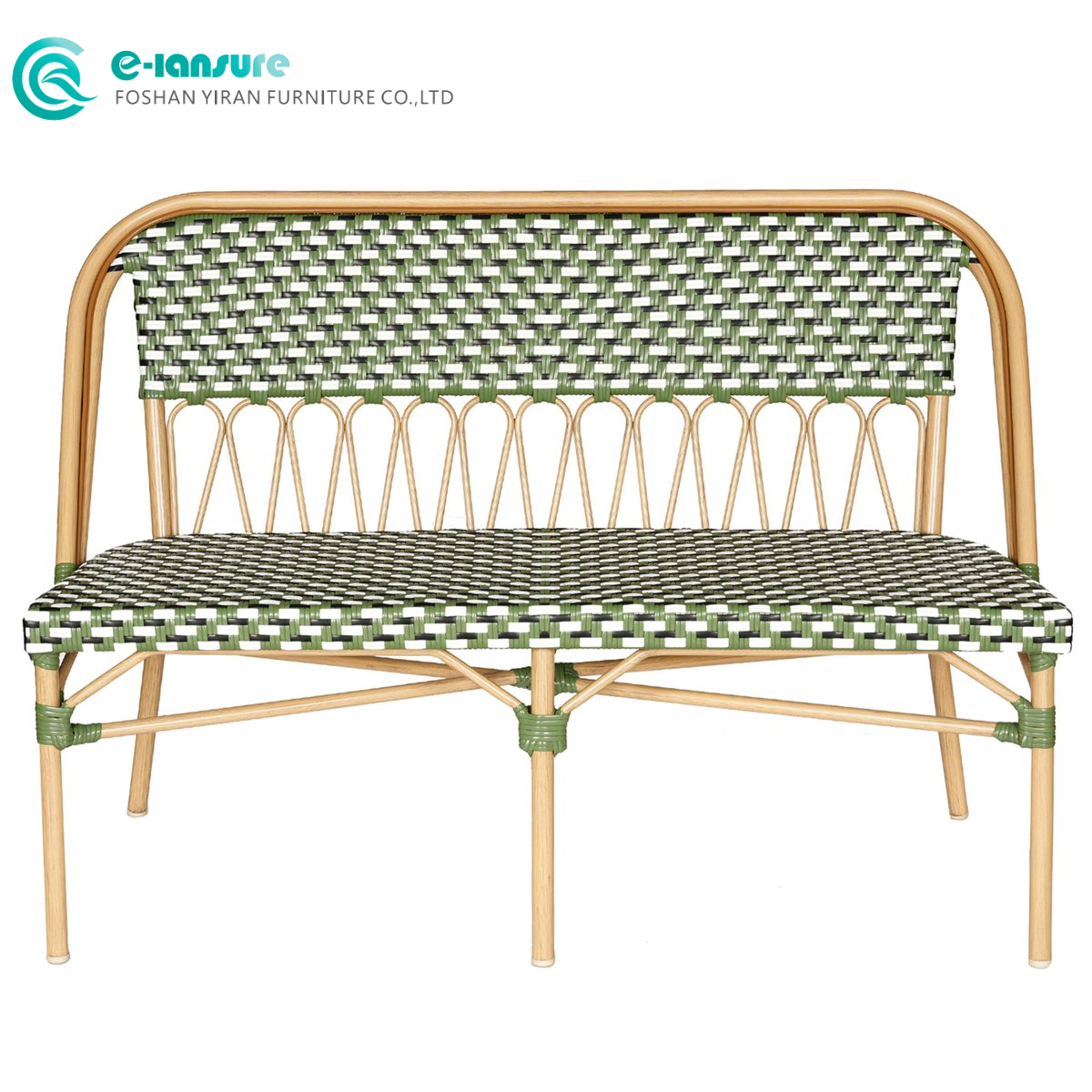
Powder-coated aluminum provides incredible value for homeowners. It remains entirely rust-proof and very lightweight. This specific trait makes an Aluminum outdoor sofa set highly scalable for modular patio setups. You can rearrange pieces effortlessly before hosting a gathering. The powder-coating process bakes dry paint onto the metal. This creates a thick barrier against scratches and moisture.
However, practical risks still exist. Dark metal finishes can heat up rapidly in direct sunlight. You might need protective throw pillows for extra comfort on scorching days. Furthermore, its lighter weight poses a challenge in stormy regions. Extreme winds could shift the furniture easily. You should anchor the pieces or buy weighted designs if you live in a hurricane-prone zone.
Teak offers a premium, natural aesthetic for outdoor spaces. Its natural oils resist rot and repel insects beautifully. This dense hardwood feels incredibly sturdy under heavy use. You must apply regular sealants to maintain the warm honey tone. Without this annual maintenance, teak patinas into a silvery gray color.
Many homeowners appreciate this weathered look. It blends nicely into coastal or rustic environments. The main risk involves weight and moisture fluctuations. Teak is incredibly heavy, making seasonal moving difficult. It also remains susceptible to checking or splitting during highly volatile humidity shifts. You must sand the surface periodically to keep it perfectly smooth.
HDPE wicker provides a classic woven appearance. This synthetic resin wraps tightly around a concealed metal frame. It resists moisture and UV degradation far better than natural rattan. Traditional natural wicker rots quickly outside. HDPE extrudes color throughout the entire plastic strand, hiding minor scratches effectively.
You must verify the underlying frame material before buying. It should feature rust-proof aluminum rather than cheap steel. Steel frames will rust from the inside out, bleeding orange stains onto your patio. You also need to confirm the manufacturer uses UV-treated polymers. Without UV treatment, the plastic becomes brittle and snaps under moderate pressure.
Table: Frame Material Comparison Guide
Material Type | Rust Resistance | Maintenance Level | Best Climate Application |
|---|---|---|---|
Powder-Coated Aluminum | Excellent (Cannot Rust) | Low | Coastal, Humid, Moderate Climates |
Solid Teak Wood | N/A (Rot Resistant) | High (Oiling Required) | Dry, Shaded, Traditional Spaces |
HDPE Resin Wicker | Excellent (If Aluminum Base) | Low to Medium (Brushing) | High UV, Wet Climates |
Fabric quality dictates everyday comfort and visual appeal. We must differentiate how manufacturers apply color to textiles. Solution-dyed acrylics add liquid color to the polymer core before spinning the yarn. Think of it like a carrot. The color runs all the way through the center. This method resists UV fading significantly longer than traditional methods.
Surface-dyed polyester acts differently. Manufacturers weave the fabric first, then dip it into a dye bath. These fabrics act like radishes. The color only sits on the outside layer. Sun exposure bleaches this outer layer away quickly. Look for specific trust indicators when shopping. Check the manufacturer's spec sheet for industry-standard rub counts. High UV hour ratings ensure long-term colorfastness on exposed patios.
Internal cushion construction matters just as much as the outer fabric. Open-cell foam, often called reticulated foam, features a porous structure. It allows water to pass straight through the cushion body. This rapid drainage prevents mold growth entirely. The foam dries out completely within a few hours of rain.
Conversely, closed-cell foam resists water penetration at the surface. It functions like a life jacket and even floats. It works incredibly well for marine environments or boat decks. However, it can trap condensation inside if the outer cover ultimately fails. For optimal longevity, seek out removable, machine-washable covers. Ensure they feature heavy-duty outdoor zippers for easy removal.
Proper space planning prevents crowded, unusable patios. You must require a minimum of 36 inches of clearance around the sofa. This spacing guarantees smooth, high-traffic flow for your guests. Nobody enjoys squeezing past furniture while holding a beverage. Deep-seating outdoor sofas typically demand a larger footprint than standard indoor equivalents. Their backrests often lean further back to encourage lounging.
You should map out the exact dimensions before purchasing. Use painter's tape on your patio floor to visualize the real-world scale. Walk around the taped area to test the flow. Does it block a doorway? Does it crowd the fire pit? This simple actionable step prevents severe buyer's remorse. You want your outdoor living area to feel expansive.
Scalability determines long-term utility for your investment. Fixed sofas offer a cohesive, singular design. They work perfectly for smaller, strictly defined spaces. However, modular sectionals provide superior adaptability over time. You can easily reconfigure them for different seasonal parties.
Modular designs also accommodate future patio expansions effortlessly. This flexibility minimizes the risk of outgrowing your furniture. You can simply purchase an additional armless chair later. You slide it right into the middle of the existing layout. This expands your seating capacity without replacing the entire set.
Consistent upkeep prevents early degradation. Let us address routine maintenance first. You should follow a baseline cleaning protocol every few weeks.
Brush away loose dirt using a soft-bristle brush.
Mix mild dish soap into a bucket of warm water.
Gently scrub the frames and fabric to remove pollen and sap.
Rinse thoroughly using a standard garden hose.
Allow all components to air-dry completely in the sun.
Avoid aggressive pressure washing at all costs. High-pressure water easily damages protective powder-coat finishes. It also shreds performance fabrics at the microscopic level.
Even highly weather-resistant sofas need extra protection. You must use heavy-duty, breathable furniture covers during the off-season. Covers are also necessary during severe storms. They prevent micro-abrasions from flying debris. Breathable cover materials stop extended water pooling. They allow trapped condensation to evaporate safely away from the frames.
Winterization requires specific protocols. We must transparently outline storage requirements for freezing climates. You should always bring cushions indoors before the first hard freeze hits. Extreme freeze-thaw cycles cause severe foam degradation. The expanding ice destroys the internal cellular structures. Store them in a dry, climate-controlled space like a basement or insulated garage.
Your local weather conditions dictate your final choice. You must align the materials with your environment.
Coastal/Salt Air: You must mandate powder-coated aluminum or HDPE wicker. Avoid steel frames entirely. Salt air accelerates steel rust exponentially, destroying furniture in months.
High UV/Desert: Prioritize solution-dyed acrylic fabrics and thick teak frames. Avoid dark metals. Black or dark brown aluminum absorbs blistering heat, making the arms too hot to touch.
High Humidity: Focus heavily on open-cell foam cushions. Proper airflow stops mildew from establishing roots deep inside the seats.
Always evaluate the manufacturer’s warranty limitations carefully before swiping your card. Warranties rarely cover every form of damage. Does the warranty specifically cover structural rust? You will often find the fabric warranty operates entirely separately from the frame warranty. A frame might boast a ten-year guarantee, while the fabric only gets three years. Read the fine print to understand your true coverage window.
Do not buy patio sets blindly online. Prioritize vendors offering physical fabric swatches. Request modular frame color samples before committing to a full set. Touching the materials ensures they meet your comfort expectations. Checking colors in your actual backyard lighting prevents unpleasant surprises upon delivery.
Evaluating outdoor furniture requires looking far past simple aesthetics. You must scrutinize the underlying material data carefully. Pay close attention to frame composition, fabric dyeing processes, and foam types. Taking these analytical steps guarantees long-lasting performance. An aluminum frame paired with solution-dyed cushions offers the best baseline return on investment for most climates. It balances extreme durability with effortless daily maintenance.
Take time to measure your patio space meticulously. Align your material choices directly with your local weather extremes. Establish a realistic seasonal maintenance routine from day one. Are you ready to upgrade your outdoor living space? Guide yourself to a reputable product comparison page today. Request a physical swatch-request form to feel the fabrics in person. You can also utilize a collection layout planner to visualize your new relaxing oasis accurately.
A: Yes, you can leave high-quality sofas in the rain. However, realistic water repellency varies by fabric. Solution-dyed acrylics shed light rain easily. Heavy downpours will eventually soak through the seams. Open-cell foam ensures rapid drainage times, usually drying within hours. You must use furniture covers during multi-day storms. Covers prevent prolonged saturation and protect against wind-blown debris.
A: Premium outdoor furniture provides excellent longevity. You can expect powder-coated metal or teak frames to last 10 to 15 years. Cushion lifespan depends heavily on direct UV exposure. High-quality foam and acrylic covers typically last 5 to 7 years. You must practice proper baseline maintenance to achieve these benchmarks. Store cushions indoors during freezing winters to extend their life.
A: It depends heavily on your lifestyle. An aluminum set requires almost zero maintenance. It resists rust completely and weighs less for easy rearranging. Wood frames, like teak, offer unmatched natural beauty. However, wood presents a higher maintenance burden. You must sand and oil teak annually to retain its warm color. Aluminum wins for convenience, while wood wins for traditional aesthetics.
A: High winds pose a serious threat to lightweight cushions. You should look for cushions featuring heavy-duty velcro ties. These straps secure the fabric directly to the rigid frame. Some manufacturers utilize weighted internal structures to anchor the seating naturally. You can also place anti-slip friction mats under the base of the seats. Finally, bringing them indoors before severe storms remains the safest strategy.


