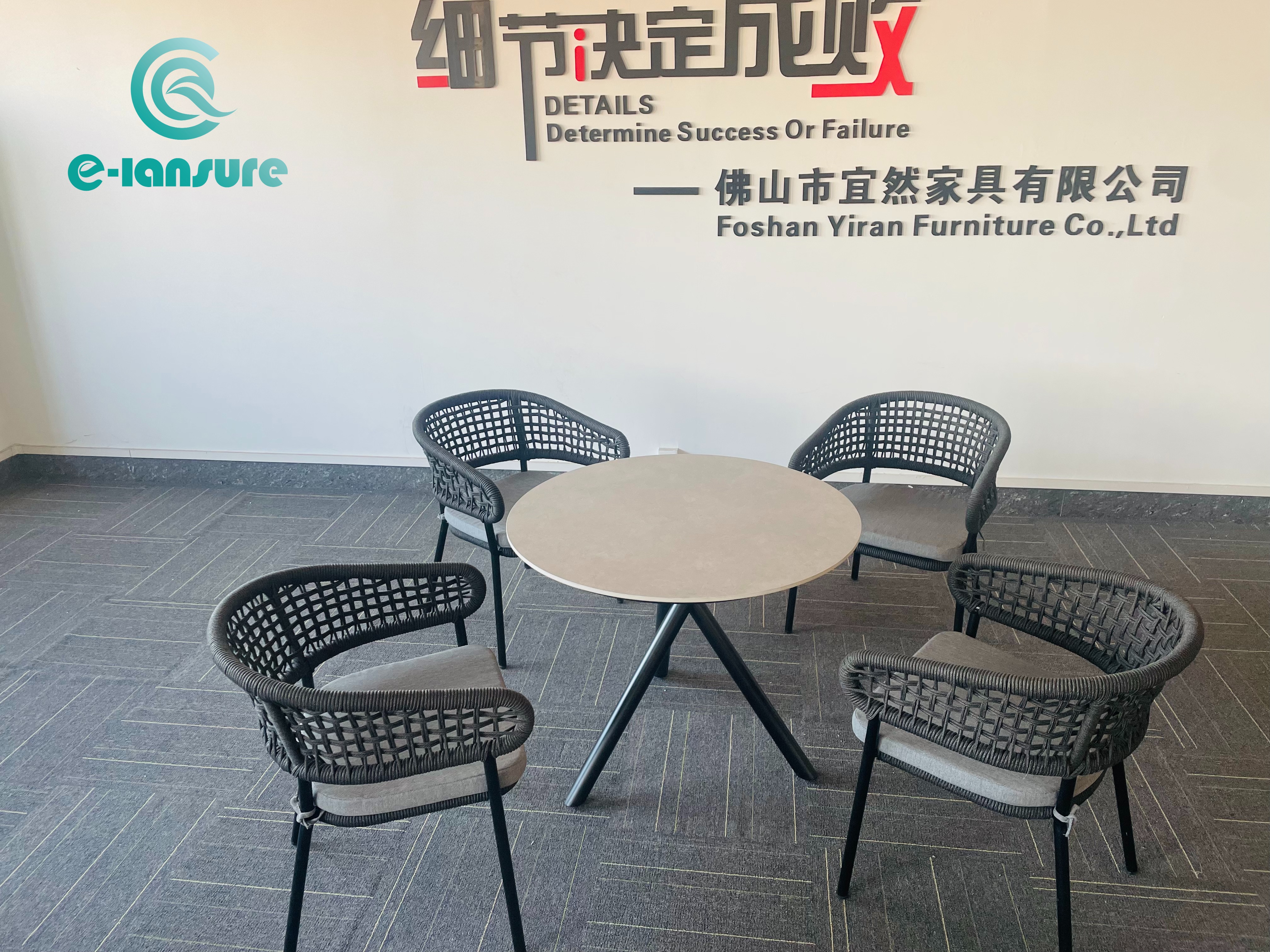
Investing in outdoor dining setups demands careful thought and strategic planning. You want a gathering space blending climate resilience, spatial harmony, and everyday lifestyle needs. Unfortunately, many buyers experience the frustration of early product failure. Cheap patio pieces often rust, warp, or fade within just a few seasons. We frequently see homeowners trapped in a costly cycle of replacing flimsy furniture year after year because poorly chosen materials deteriorate rapidly under harsh environmental stressors.
This article provides a clear, evidence-based framework for evaluating your options. We will guide you through material selection, precise sizing guidelines, and vital structural checks. You will learn how to bypass weak constructions and select durable, high-quality designs. By the end of this guide, you can make a confident, lasting purchase suited directly to your specific backyard environment.
Key Takeaways
Space dictates shape: Always factor in a minimum of 36 inches of clearance beyond the table edge for chair mobility.
Climate is the ultimate filter: Material selection must prioritize local weather conditions (e.g., coastal salt air vs. intense desert UV) over aesthetics.
Hardware matters as much as the frame: The lifespan of an outdoor table relies heavily on the quality of its joints and fasteners (e.g., marine-grade stainless steel).
Maintenance is unavoidable: Align material choices with realistic upkeep willingness (e.g., zero-maintenance aluminum vs. annual teak sealing).
Sizing and Spatial Planning: The Foundation of Your Setup
Space planning serves as the bedrock of any successful patio design. You cannot simply guess the dimensions. Accurate measurements prevent common layout mistakes.
Measuring Your Functional Footprint
It is crucial to measure your usable patio space before buying furniture. You must define your "push-out" rule accurately. Industry design standards recommend leaving 36 to 42 inches of clearance extending from the table edge to any physical boundary. Walls, railings, or patio steps require this physical buffer. Guests need enough room to slide chairs back safely and walk behind seated diners. Ignoring this rule creates cramped, uncomfortable dining experiences.
Next, calculate your maximum seating capacity. Avoid overcrowding your guests. Allocate 24 inches of table width per person as a standard baseline. If you want a more luxurious dining experience, increase this allowance to 28 inches per person. Armchairs demand more width than standard side chairs. Always measure the specific chairs you plan to use alongside your table.
Matching Table Shape to Patio Geometry
Your patio shape should dictate your Outdoor Dining Tables geometry. Mismatched shapes disrupt visual flow and impede movement.
Rectangular/Oval: These shapes work best in narrow or long spaces. They maximize seating capacity efficiently. They fit perfectly on classic rectangular decks or long verandas. Oval designs soften harsh architectural lines and improve traffic flow around corners.
Round/Square: Ideal for symmetrical spaces. They foster intimate, conversational seating where everyone faces each other. However, they limit seating expansion if extra guests arrive unexpectedly. You cannot easily squeeze another chair into a rigid square setup.
Extension Tables: These offer incredible flexibility but introduce mechanical vulnerabilities. Moving parts in leaves face tough outdoor elements. They require regular debris clearing. Moving tracks easily trap dirt, leaves, and moisture. You must keep these mechanisms clean and lubricated to prevent jamming.
Evaluating Materials for Climate Resilience and Longevity
Climate compatibility trumps visual appeal every time. You must evaluate how specific materials react to your local weather patterns before making a decision.
The Powder-Coated Aluminum Outdoor Table
A Powder-Coated Aluminum Outdoor Table stands out as a prime choice for most climates. Manufacturers apply dry powder to the metal and bake it. This creates a tough, protective skin.
Pros: It is inherently rust-proof, remarkably lightweight, and requires minimal maintenance. It handles both humid coastal air and rainy regions easily. Moving it around the patio takes very little effort.
Evaluation Criteria: You must verify the powder-coat thickness. Look for continuous, 360-degree welds at the joints. Spot welds signal cheap manufacturing. They often snap under heavy weight or frequent movement. Ensure the finish feels smooth and consistent across all surfaces.
Natural Woods (Teak and Eucalyptus)
Pros: Premium hardwoods resist heat effectively. They do not burn your skin during peak summer hours. They are heavy enough to withstand high winds and deliver a classic, warm aesthetic.
Implementation Reality: Natural woods demand an understanding of their aging process. Teak will naturally develop a silvery-grey patina over time due to UV exposure. Maintaining a honey-brown finish requires intensive labor and specialized oils. You must commit to this routine if you prefer the original color. Always avoid cheap softwoods. Pine or cedar warp quickly under harsh sun or rain exposure. Seek out FSC-certified wood to ensure responsible harvesting.
High-Density Polyethylene (HDPE) and Resin
Pros: HDPE is completely impervious to moisture. It feels substantial and resists fading well when properly UV-stabilized. It ignores salt spray, heavy rain, and pool chemicals completely.
Evaluation Criteria: You must distinguish between commercial-grade HDPE and cheap plastics. Hollow plastics warp quickly under direct heat. They become brittle and crack during freezing temperatures. Solid HDPE mimics the weight and feel of real wood without the structural decay. Always check the product specifications for UV inhibitors.
Steel and Wrought Iron
Pros: These metals are exceptionally durable. They boast massive weight, offering unbeatable wind resistance. They will survive the strongest storms without budging.
Risks: They carry a significant rust risk. If the protective coating suffers a scratch, moisture attacks the bare metal rapidly. We generally do not recommend them for coastal environments. Salt spray accelerates the oxidation process tremendously. Even morning dew can initiate rust if the paint barrier fails.
Table: Outdoor Material Comparison Matrix
Material Type
Rust Resistance
Wind Resistance
Maintenance Level
Heat Retention
Powder-Coated Aluminum
Excellent
Low
Low
Medium
Natural Teak
N/A (Wood)
Medium
High
Low
Solid HDPE Resin
Excellent
Medium
Low
Low
Wrought Iron
Poor
Excellent
Medium
High
Assessing Structural Integrity and Build Quality
You must evaluate construction details closely. Hardware often fails long before the primary frame gives out. A beautiful tabletop means nothing if the legs eventually collapse under pressure.
Focus on Hardware
A premium piece demands 304 or 316 marine-grade stainless steel fasteners. The 316 grade contains molybdenum. This addition drastically improves resistance to chloride and salt. Brass hardware also works well. These metals prevent rust from bleeding out. Cheap zinc-plated screws will leave permanent orange stains on your expensive patio pavers. You should also watch out for galvanic corrosion. This phenomenon occurs when two dissimilar metals touch in a damp environment. Reputable manufacturers use nylon washers to separate steel bolts from aluminum frames.
Joint Construction
Analyze how the components fit together. Mortise-and-tenon joints remain the superior standard for wood furniture. One piece slots perfectly into a corresponding hole. They allow natural expansion and contraction safely. Avoid glued or screwed butt joints on wood frames. They rely entirely on the fastener strength. They are highly prone to failure during intense temperature fluctuations.
Weight vs. Wind
You need a reliable framework for balancing mobility and stability. Lightweight materials need securing. You might need to anchor aluminum pieces in hurricane zones. Conversely, wrought iron stays put naturally but requires massive effort to relocate. Evaluate your typical wind conditions before finalizing a material choice.
Warranties as a Proxy for Quality
Use warranties as a vital trust signal. Look for structural guarantees lasting at least five years. Finish warranties should cover two or more years. Short warranties often indicate low-quality materials. A manufacturer unwilling to back their product for multiple seasons usually knows it will fail.
Maintenance Realities
Upkeep is an unavoidable reality of outdoor living. Proper care keeps your furniture looking pristine for years. You must align your material choice with your willingness to perform chores.
Daily & Weekly Care
Establish a simple routine. Most surfaces require just mild soap and warm water. We recommend pH-neutral dish soap. Avoid abrasive cleaners or harsh brushes. They strip protective sealants and scratch powder coatings permanently. Wipe down any acidic spills immediately. Wine, bird droppings, or tree sap will etch into the finish if left unattended.
Seasonal Storage
Extreme weather necessitates proactive protection. You must use breathable, waterproof covers during off-seasons. Even materials claiming extreme durability benefit from sheltering. Trapped moisture causes hidden mold and mildew damage. Ensure your covers feature proper ventilation panels to allow airflow. Secure the covers tightly to prevent wind lofting.
Long-Term Upkeep
Account for the regular tasks required over a decade of use. Wood options demand specialized sealants applied annually or biannually. You will need to sand the surface lightly before each application. Metal pieces may need occasional rust-preventative touch-ups if scratched. You must clean the scratch, apply a rust primer, and touch up the paint. An Outdoor Table will last much longer when you adhere to a realistic maintenance schedule.
How to Shortlist and Finalize Your Purchase
Organize your buying process systematically to avoid overwhelming choices. A structured approach prevents common mistakes.
Step 1: Define the Dealbreakers
Filter your options rigorously from the start.
Eliminate any materials incompatible with your local climate immediately.
Discard iron if you live near the ocean.
Enforce your strict spatial dimensions based on your push-out calculations.
Step 2: Cross-Reference Seating Needs
Evaluate the table base design carefully.
Pedestal bases offer maximum legroom and seating flexibility.
Four-leg designs often interfere with wider armchairs.
Measure the armrest height against the tabletop clearance.
Step 3: Verify Vendor Trust Signals
Research the seller thoroughly before checking out.
Check for transparent return policies and accessible customer service.
Read verified reviews closely.
Look for reviews discussing longevity after years of use, not just unboxing impressions.
Conclusion
You now possess a robust evaluation framework for selecting your ideal dining setup. Size your space accurately using the essential 36-inch clearance rule. Filter your options strictly by climate-appropriate materials. Always verify the hidden construction details, like 360-degree welds and marine-grade stainless steel hardware. Never overlook the importance of realistic maintenance commitments. Grab your tape measure today and map out your precise patio footprint. By applying these strict standards, you will secure a beautiful, resilient gathering space for many seasons to come.
FAQ
Q: Can I leave my outdoor table outside all winter?
A: It depends on the material. High-quality aluminum and HDPE resin handle winter well. However, harsh freeze-thaw cycles can expand trapped moisture in wood or hollow frames, causing cracks. You should always use breathable, waterproof covers during heavy snow or constant rain to maximize product lifespan.
Q: How do I stop my outdoor table from fading?
A: UV rays break down finishes over time. Choose UV-stabilized materials like premium HDPE or powder-coated metals. Keep your furniture shaded using pergolas or large umbrellas. Apply appropriate protectants, and consistently use opaque furniture covers when the pieces are not in active use.
Q: Is a powder-coated aluminum outdoor table heavy enough for high-wind areas?
A: Aluminum is much heavier than cheap hollow plastics but remains relatively light compared to wrought iron. In severe wind zones or exposed coastal balconies, you may need to anchor the base or weigh it down with heavy centerpieces to prevent movement.
Q: What size rug do I need under an outdoor dining table?
A: You should add at least 24 to 30 inches to all sides of your table dimensions. This extra space ensures chairs remain on the rug even when guests slide them back to stand up. It prevents chair legs from catching on the rug's edge.
Foshan Yiran Furniture Co.,Ltd. which is located in Foshan Guangdong. It’s a traditional outdoor furniture factory integrating development, design, manufacture and sales.