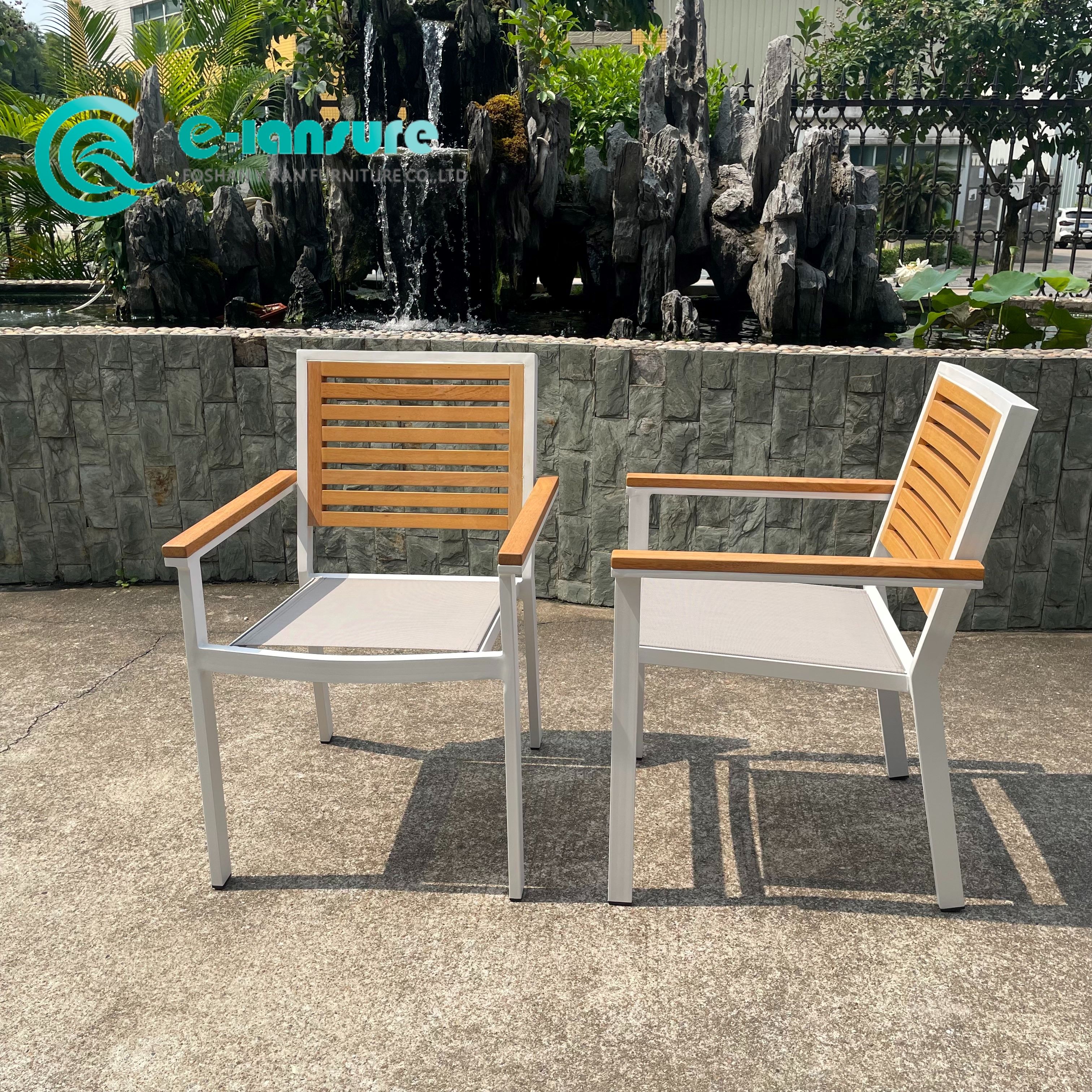
Selectingoutdoor seatingrequires balancing aesthetic vision with rigid spatial and ergonomic realities. Specifying the wrong chair profile—whether for a residential patio or a commercial terrace—results in cramped tables, restricted guest movement, damaged table aprons, or physical discomfort during extended use. You need seating that looks proportional while functioning flawlessly in its intended environment. We see projects fail constantly because buyers prioritize looks over clearance measurements. A chair that looks great in a showroom can easily ruin a dining experience if it traps guests against the table. This guide provides a technical evaluation framework to compare armed and armless configurations. We assess spatial requirements, ergonomic trade-offs, common buyer regrets, and material considerations. By understanding these mechanical and spatial dynamics, you ensure a high-performing furniture layout that improves the dining experience and maximizes your available square footage.
Capacity vs. Comfort Trade-off: Armless designs maximize seating density and approachability, while armed configurations prioritize prolonged seating comfort, leaning support, and structural presence.
Ergonomic Inclusivity: An armless outdoor dining chair accommodates a wider variance in body types (specifically broader hips), whereas armrests provide necessary leverage for guests with mobility limitations.
The Clearance Imperative: Armed chairs introduce the critical risk of table apron collision; precise measurement of armrest height versus table clearance is a non-negotiable step in the procurement process.
Strategic Mixing: High-performing layouts, particularly in commercial settings, frequently utilize a hybrid approach—placing an outdoor armchair at table heads for a luxurious feel and armless variants along the sides to optimize both footprint and aesthetic hierarchy.
Defining Success Criteria for Your Outdoor Dining Setup
Spatial Constraints and Table Footprint
Before selecting any seating profile, you must calculate your exact spatial constraints. Start by measuring the total available square footage of your patio or dining deck. From this total, subtract the required circulation paths. You need a minimum of 36 inches of clearance behind seated guests to allow others to walk past comfortably. If your space borders a high-traffic area, a fire pit, or a pool edge, increase this clearance to 42 or even 48 inches.
Follow this strict measurement protocol to determine your true seating capacity:
Measure the total length and width of the usable patio surface.
Subtract 36 inches from all sides that require a walkway behind the chairs.
Identify the remaining central footprint as your maximum allowable table and chair zone.
Measure the distance between the inside table legs to determine how many chairs fit per side.
Evaluate your table shape and leg placement. The table's structural design dictates how many chairs can physically tuck under the surface. A pedestal base allows for maximum flexibility, letting you slide chairs in without hitting corner posts. Conversely, tables with thick corner legs restrict the usable perimeter. If the distance between legs is 72 inches, you cannot fit three 25-inch wide chairs along that side, regardless of the overall table length. You have to account for the physical width of the chair plus the necessary gap between each seat.
Guest Demographics and Duration of Use
You must assess the primary use case for your dining area. A quick-turnover cafe environment demands different seating than a residential patio designed for extended multi-course meals. If guests typically sit for less than 45 minutes, structural minimalism works well. However, if you expect guests to linger, drink wine, and converse for hours, upper body support becomes a major factor in preventing fatigue.
Factor in the physical needs of your most frequent users. Elderly guests often require the standing assistance that armrests provide. They use the arms to bear their body weight while lowering into or rising from the seat. On the other hand, diverse body types require wider, unrestricted seat pans. A narrow seat with rigid arms creates a highly uncomfortable, pinching sensation for guests with broader hips. Understanding who will use the space dictates which ergonomic features you prioritize.
The Case for the Outdoor Armchair: Comfort and Presence
Ergonomic Benefits and Posture Support
Armrests fundamentally change how the human body interacts with a chair. They bear the weight of the arms, which directly reduces strain on the shoulders and cervical spine during prolonged seating. When you sit for longer than an hour, your body naturally seeks ways to offload muscle tension. An outdoor armchair provides the necessary structural support to facilitate this relaxation.
Beyond static comfort, armrests offer a distinct biomechanical advantage. Guests use them as leverage points when transitioning between sitting and standing. This feature proves invaluable for users with limited mobility or joint pain. Furthermore, armrests allow guests to shift their weight laterally. They can lean to one side, rest an elbow, and lounge comfortably long after a meal concludes. This postural flexibility extends the usable lifespan of the dining area into the evening.
Visual Weight and Spatial Anchoring
From a design perspective, armed chairs carry significant architectural presence. They anchor large, heavy dining tables that might otherwise overwhelm delicate seating. A massive teak or concrete table requires chairs with enough visual weight to balance the composition. Armchairs fill the negative space around the table, creating a cohesive, grounded aesthetic.
This profile also supports the traditional head of the table aesthetic. Placing armed chairs at the ends of a rectangular table establishes a clear visual hierarchy. It injects a formal, luxurious feel into the space. The added width and structural complexity of the arms signal comfort and status, making the dining setup look intentional and high-end.
Limitations: Spacing and Table Clearance
The primary drawback of armed seating is the increased lateral footprint. These chairs typically require 24 to 30 inches of width per seat. This extra width drastically reduces the number of guests you can fit around a standard table. If maximizing capacity is your goal, armed profiles work against you.
Additionally, armed chairs restrict lateral movement. Guests cannot easily slide out from the side of the table; they must push the chair entirely backward to exit. This requires more space behind the chair. You also face the narrow seat constraint. Poorly designed armchairs often feature a standard seat width enclosed by rigid arms. This configuration feels restrictive and unwelcoming to guests with broader hips, potentially causing discomfort and embarrassment.
The Case for the Armless Outdoor Dining Chair: Flexibility and Density
Maximizing Seating Capacity per Square Foot
When space is tight, armless profiles offer the most efficient solution. The absence of armrests allows chairs to sit much closer together. You typically only need 20 to 24 inches of linear space per chair. This tighter spacing lets you squeeze an extra seat or two along the sides of a rectangular table, maximizing your hosting capacity without upgrading to a larger table.
This footprint advantage becomes even more pronounced with round tables or tables featuring obstructive pedestal bases. Lateral space around a curve is always at a premium. An armless profile prevents the chairs from knocking into each other when pushed in. It keeps the perimeter clean and allows guests to navigate the curve of the table without structural interference.
Inclusivity and Approachability
An armless outdoor dining chair offers a highly inclusive seating experience. Without rigid side barriers, the seat pan accommodates a much wider variance in body types. Guests with broader hips can sit comfortably without feeling pinched or confined. This open design also allows users to sit at an angle, turn easily to speak to the person next to them, or cross their legs without restriction.
Visually, armless chairs create a lighter, more spacious aesthetic. They do not block sightlines across the patio. This transparency prevents smaller decks or balconies from feeling cluttered. The streamlined silhouette blends into the background, allowing the table surface or the surrounding landscape to serve as the focal point of the space.
Limitations: Reduced Support for Prolonged Seating
The trade-off for this flexibility is a reduction in long-term comfort. The lack of upper-body and leaning support accelerates fatigue during extended dining sessions. Guests have nowhere to rest their elbows other than the table surface, which can lead to slouching or back strain over time. If your gatherings routinely stretch into three-hour events, armless chairs may leave guests feeling restless.
Aesthetic mismatches also pose a risk. If you pair delicate, armless chairs with an overly massive, thick-cut dining table, the setup looks disproportionate. The chairs can appear visually sparse or inadequate, failing to ground the heavy architecture of the table.
Material Selection: Impact on Chair Profile and Durability
Aluminum Dining Chair Options
Metal frames dictate both the weight and the visual profile of the seating. You generally choose between extruded and cast aluminum. Extruded aluminum is hollow, making it incredibly lightweight and easy to move. Cast aluminum is solid, poured into molds, resulting in heavier, often more ornate designs. Both offer exceptional structural rigidity without the maintenance headaches of wood.
An aluminum dining chair excels in modern environments because the material strength allows for ultra-slim armless profiles. Manufacturers can engineer structurally sound, thin armrests that maximize seating space while maintaining a sleek aesthetic. Aluminum does not warp or crack, ensuring the slim profile remains perfectly aligned over years of use.
Rope Dining Chair Designs
Woven materials introduce texture and tactile comfort to the dining space. Modern designs utilize marine-grade rope or synthetic wicker wrapped around a metal frame. These materials offer excellent breathability, preventing heat buildup on the seat and backrest during peak summer months. The slight give in the rope also conforms to the user's back, enhancing comfort without requiring thick cushions.
However, woven materials impact the overall width and visual bulk of the chair. A rope dining chair requires a slightly wider frame to accommodate the weaving process. The rope itself adds girth to the legs and arms. When evaluating armed versus armless rope designs, remember that the woven arms will consume more lateral space than sleek metal alternatives. You must account for this added bulk in your capacity calculations.
Material Type
Visual Profile
Maintenance Level
Best Application
Powder-Coated Aluminum
Ultra-slim, modern, rigid
Low (Wipe clean)
High-traffic commercial, modern residential
Marine-Grade Rope
Textured, slightly wider frame
Medium (Requires occasional deep cleaning)
Extended lounging, coastal environments
Weather Resistance and Maintenance
Material choice directly dictates your maintenance protocol. Aluminum requires almost zero maintenance; powder-coated finishes resist rust and UV degradation effortlessly. You simply wipe them down with mild soap and water. Rope and synthetic wicker require slightly more care to prevent dirt buildup in the crevices of the weave. While marine-grade rope resists UV fading and rot, it takes longer to dry after a heavy rain compared to a flat metal or resin surface. Always evaluate your willingness to perform seasonal cleaning when selecting the chair's material.
Commercial vs. Residential Considerations
Sourcing a Restaurant Outdoor Chair
Commercial environments demand rigorous performance standards. A restaurant outdoor chair must withstand high-turnover use, constant dragging across concrete, and frequent sanitation. You should look for BIFMA testing certifications, which verify the frame's weight capacity and structural integrity under heavy commercial use.
Stackability is a critical operational requirement for hospitality spaces. Staff must break down the patio daily for security and cleaning. Armless chairs generally stack tighter and higher, minimizing the required storage footprint. Armed chairs can sometimes stack, but the arms create larger gaps between stacked frames, limiting the stack height and consuming more floor space.
Furthermore, commercial spaces must address ADA compliance. You must provide accessible seating options for guests with disabilities. This often requires specific armrest dimensions, strong weight capacities, and stable frames that will not tip when a guest uses the arms for leverage. A mix of accessible armchairs and high-density armless chairs usually provides the best operational balance.
Residential Patio Optimization
In residential settings, you have more freedom to prioritize aesthetics over strict operational efficiency. A highly effective framework involves mixing styles to balance luxury with capacity. You place armed host chairs at the heads of the table to anchor the space and provide premium comfort. You then line the sides with matching armless chairs to maximize your seating count and keep the sightlines open.
You should also consider secondary uses for the furniture. A highly functional outdoor armchair can easily transition away from the dining table. You can pull it into a separate lounge area or around a fire pit when hosting larger groups. Armless chairs, while great for dining density, often look out of place when isolated in a lounging arrangement. Plan your purchase based on how the furniture will flow through your entire outdoor living space.
Implementation Risks and Mitigation
Common Buyer Regrets to Avoid
The most frequent buyer regret involves purchasing armchairs that are too narrow. Buyers fall in love with a sleek design, only to realize the rigid metal or wood arms dig into the thighs of their guests. This alienates users who require a wider seat pan. Always verify the internal seat width—the distance between the armrests—not just the overall exterior width.
Conversely, buyers often regret choosing armless chairs for environments where guests are expected to linger. If you host long dinner parties, armless chairs lead to complaints of back fatigue and discomfort. Guests end up leaning heavily on the table or slouching. Match the chair profile to the actual duration of the event, not just the aesthetic vision.
The "Table Apron" Trap
The table apron is the vertical band of wood or metal that runs beneath the tabletop, connecting the legs and providing structural support. This apron reduces the vertical clearance available for chairs to tuck in. Ignoring the apron measurement is a catastrophic planning error.
You must follow a strict measurement protocol. Measure the distance from the ground to the lowest point of the table apron. The highest point of your chair's armrest must be at least 1.5 to 2 inches lower than this apron measurement. If the arms are too high, the outdoor dining chair will crash into the apron, scratching the finish and forcing guests to sit awkwardly far from their plates.
Evaluation Metric
Armed Configuration
Armless Configuration
Space Required Per Seat
24 - 30 inches
20 - 24 inches
Table Apron Risk
High (Requires precise clearance measurement)
Zero (Slides under any table height)
Ergonomic Support
Excellent for prolonged sitting and standing leverage
Minimal upper-body support; faster fatigue
Visual Weight
Heavy; anchors large tables effectively
Light; maintains open sightlines in small spaces
Wind Resistance and Weight Distribution
Environmental factors play a massive role in chair selection. Lightweight armless chairs—particularly those made of extruded aluminum or thin resin—carry a high risk of tipping or blowing across the patio in high-wind environments. Their lack of mass and open profile make them vulnerable to gusts.
Heavier, wider armchairs offer better wind resistance. The added material in the arms increases the overall weight, and the wider stance lowers the center of gravity. If your patio sits on a high-rise balcony or a windy coastal property, you must prioritize frame weight and structural stability over lightweight density.
Winter Storage and Cover Compatibility
Off-season logistics often catch buyers off guard. You must calculate the storage footprint required for your seating. Non-stacking armchairs consume massive amounts of garage or shed space. High-density stacking armless chairs can condense a dining set for eight into a single vertical footprint.
If you plan to leave the furniture outside, consider cover compatibility. Standardized protective covers fit easily over a stack of armless chairs. Finding a single cover large enough to drape over a massive table surrounded by non-stacking armchairs is difficult and expensive. You often have to buy individual covers for each armed chair, increasing your maintenance time and accessory costs.
Conclusion
Measure your table clearance from the ground to the lowest point of the apron to rule out incompatible arm heights immediately.
Define your maximum required seating capacity and map it against the available linear inches of your table perimeter.
Assess your primary user demographics to determine if hip width inclusivity or standing leverage is the higher ergonomic priority.
Request material samples for aluminum or rope finishes to evaluate tactile comfort and maintenance requirements.
Consult a space planning specialist if outfitting a commercial layout to ensure ADA compliance and optimal traffic flow.
FAQ
Q: How much space should be between outdoor dining chairs?
A: You should leave a minimum of 6 inches of space between chairs to prevent elbow clashing and allow guests to pull their seats out easily. Depending on whether the chairs have arms, you must allocate a total of 24 to 30 inches of linear table width per guest.
Q: Can you mix armchairs and armless chairs at the same outdoor table?
A: Yes. It is a standard design practice to place armchairs at the heads of a rectangular table for a luxurious, anchored feel. You then place armless chairs along the sides to maximize seating capacity and maintain clean visual lines.
Q: What is the standard arm height for an outdoor dining chair?
A: The typical arm height ranges from 24 to 28 inches from the ground. You must measure this height against your table apron. The armrest must sit at least 1.5 to 2 inches lower than the apron to ensure the chair tucks in fully.
Q: Are armless chairs better for small patios?
A: Yes. Armless chairs feature a slimmer footprint and lighter visual weight. They do not block sightlines, preventing small spaces from feeling cluttered. Their ability to tuck fully under almost any table makes them ideal for tight balconies and compact decks.
Q: Which materials are best for a restaurant outdoor chair?
A: Powder-coated aluminum and synthetic resin are the best choices for commercial environments. These materials offer high durability, resist rust and UV damage, withstand frequent sanitation, and are lightweight enough to allow for easy daily stacking by staff.
Q: Do outdoor armchairs stack for winter storage?
A: Some modern armed designs do stack, but they typically require a larger storage footprint than armless equivalents. The arms create gaps between the frames, which limits how high they can stack and consumes more vertical and lateral space in your storage area.
Foshan Yiran Furniture Co.,Ltd. which is located in Foshan Guangdong. It’s a traditional outdoor furniture factory integrating development, design, manufacture and sales.