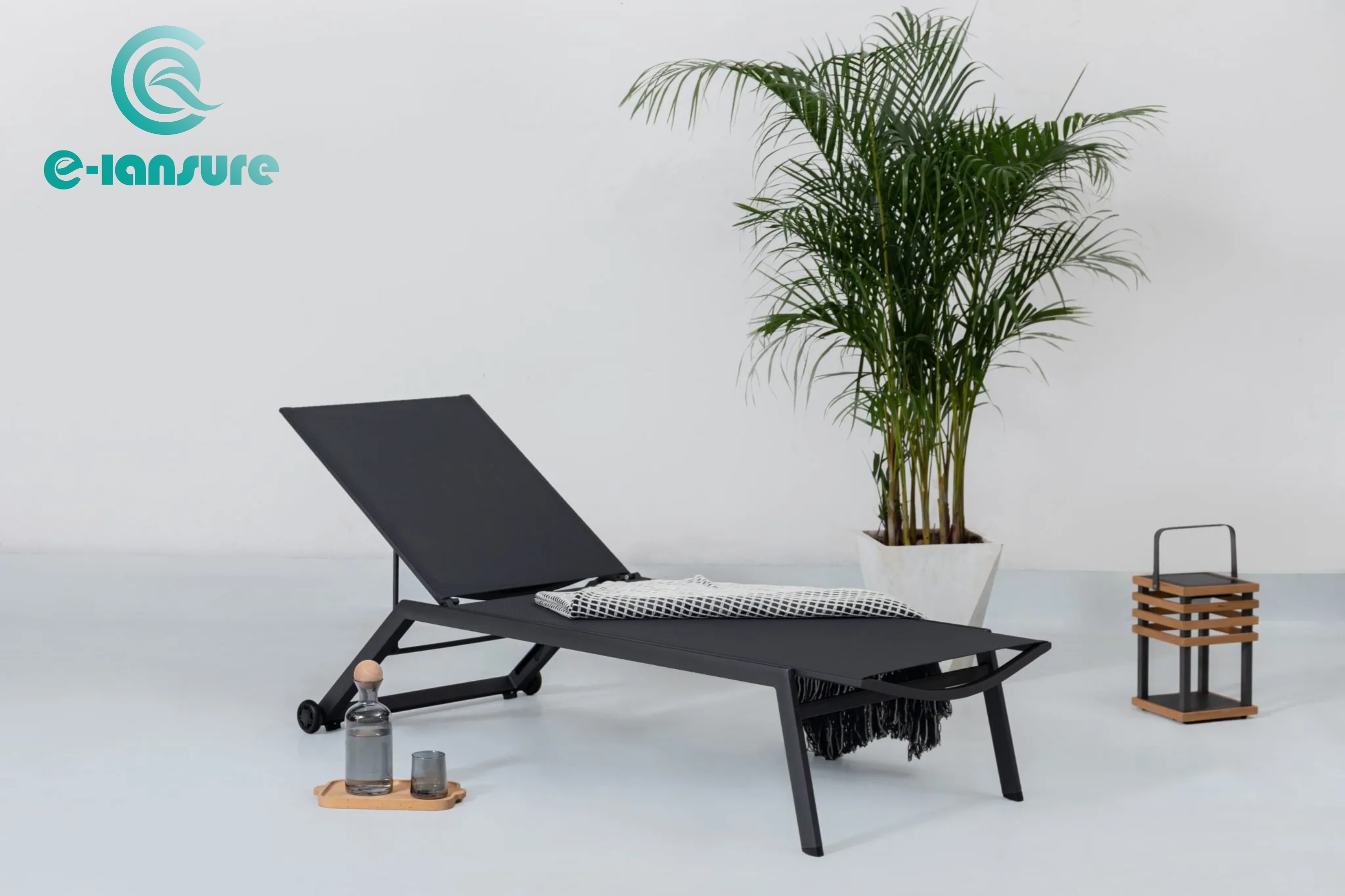
The true cost of patio furniture goes far beyond the initial price tag. You might score a beautiful wooden piece today. Tomorrow, you will spend your weekends sanding and oiling it instead of relaxing. Every buyer faces a frustrating dilemma when choosing an outdoor sun lounger. We all crave high-end, resort-style aesthetics. Yet nobody wants the exhausting reality of constant upkeep. Weather damage, rust, and mold quickly turn a luxurious investment into an endless chore. Manufacturers often obscure the ongoing labor required to keep their products looking new.
This guide provides a clear, evidence-based evaluation of lounger materials. We explore weather resistance, structural longevity, and everyday cleaning demands. You will discover exactly which frames and fabrics deliver a zero-effort outdoor experience. By the end, you will know how to choose the smartest option for your specific climate and lifestyle.
Key Takeaways
Top Combination: Powder-coated aluminum frames paired with Textilene (mesh) slings offer the highest durability-to-maintenance ratio.
Climate Dictates Choice: Saltwater coastal environments require different material baseline standards (e.g., marine-grade resin or specialized powder coatings) compared to dry, high-UV climates.
The Weight vs. Wind Factor: Lightweight low-maintenance materials require structural consideration in high-wind zones.
Avoid Wood and Steel: Teak, eucalyptus, and untreated steel are explicitly disqualified for buyers prioritizing effortless maintenance.
Evaluating "Easy Maintenance": Success Criteria
Before we declare a winner, we must define what easy upkeep actually means. Brands frequently use vague marketing terms to sell patio furniture. They promise durability but hide the maintenance manual. We evaluate materials based on four specific survival traits. These criteria determine whether you relax on your furniture or constantly work on it.
UV Degradation Resistance: Sun exposure aggressively destroys weak materials. We test the ability to withstand prolonged sunlight over many years. Materials must not suffer structural embrittlement. They must resist color fading. Cheap plastics chalk and crack under intense sun. High-quality materials maintain their integrity and vibrancy without chemical protectants.
Moisture & Fungal Immunity: Rain and pool water create ideal breeding grounds for mold. Ideal patio materials show total resistance to mildew and rot. They must survive constant exposure to high humidity. Porous materials trap water deep inside their structures. Non-porous materials shed water instantly. We favor materials requiring zero drying time.
Corrosion / Rust Prevention: Metal frames face constant oxidation threats outdoors. A true low-upkeep frame survives without regular chemical treatments. You should never need to sand it. You should never need to repaint it. If a metal requires touch-up paint to survive a rainstorm, it fails our basic maintenance test.
Cleaning Friction: This metric measures your physical effort. Some materials simply wipe down using a damp cloth. Others let you use a standard garden hose. High-maintenance materials require specialized chemical cleaners. They demand stiff brushes and rigorous scrubbing routines. We strongly prioritize materials offering frictionless cleaning experiences.
Material Success Criteria Summary
Evaluation Metric
Low Maintenance Standard
High Maintenance Warning
UV Resistance
Retains original color for 5+ years without treatments
Chalks, cracks, or fades within a single summer season
Moisture Immunity
Repels water naturally; dries completely in minutes
Absorbs moisture; requires heavy waterproof covers
Corrosion Prevention
Forms natural protective layers (e.g., aluminum oxide)
Flakes and rusts immediately upon minor surface scratching
Cleaning Friction
Rinses perfectly clean using standard garden hose pressure
Requires intensive scrubbing routines and specialized soaps
Frame Materials: The Foundation of Low Upkeep
The structural core dictates how much time you spend on maintenance. A failing frame ruins even the best seating fabric. Let us examine the top performers in the outdoor furniture market. These materials deliver exceptional longevity while demanding almost nothing from you.
The Aluminum Frame Outdoor Sun Lounger (Top Recommendation)
An Aluminum Frame Outdoor Sun Lounger stands as the undisputed champion of easy care. It consistently outperforms heavier metals and demanding woods across all climates.
Why it wins: Aluminum remains naturally rust-proof. It forms its own protective oxide layer upon air exposure. This invisible barrier stops deeper corrosion instantly. When manufacturers add a thick powder-coated finish, the metal requires zero future treatments. The dry powder curing process creates an armor-like shell. This shell resists chipping, scratching, and fading better than liquid paint.
Maintenance reality: You only need a garden hose to remove daily dust. Occasional deep cleaning requires just mild soapy water and a sponge. You never have to sand, stain, or seal the frame. It simply exists outside, ready for use.
Risk factor: Buyers must ensure all assembly hardware consists of marine-grade stainless steel. If builders use cheap zinc-plated steel screws, those specific joints will rust. The aluminum frame itself survives, but rusty bolts ruin the aesthetic. Always verify the hardware specifications before you buy.
High-Density Polyethylene (HDPE) Resin / Plastic
Why it wins: HDPE remains completely impervious to moisture, rot, and destructive insects. Manufacturers typically dye the color all the way through the solid material. This deep coloring easily hides accidental surface scratches. It mimics the weight and feel of painted wood flawlessly. However, it completely avoids wood's biological vulnerabilities.
Maintenance reality: Upkeep remains extremely low year-round. You can often pressure-wash these pieces on low settings. They handle acidic bird droppings and sticky tree sap without suffering permanent stains. A simple wipe restores their original appearance in seconds.
Risk factor: You must avoid cheaper plastics like untreated Polypropylene. Inferior plastics lack essential UV stabilizers. They will rapidly chalk, weaken, and become brittle under intense sun. You must verify you are purchasing genuine, UV-resistant HDPE lumber.
Synthetic Wicker (Polyrattan)
Why it wins: Synthetic wicker offers a beautiful, traditional aesthetic. It completely avoids natural rattan's rapid decay cycle. You get the classic woven look without the structural fragility. High-end synthetic strands incorporate advanced UV inhibitors. These inhibitors prevent the material from snapping under tension.
Maintenance reality: The effort level remains moderate-to-low. You will need a soft bristle brush occasionally. This tool helps remove trapped dust and pollen from the woven crevices. Rinsing it afterward washes away any loose debris quickly.
Risk factor: Longevity heavily depends on the underlying hidden frame. It must be aluminum, never steel. Furthermore, the resin strand quality matters immensely. Cheap PVC wicker unwinds and cracks after a few hot summers. Always look for high-density polyethylene (HDPE) wicker strands.
Fabric & Seating: Avoiding Mold and Water Log
A durable frame means nothing if the seating surface stays perpetually wet. Choosing the right sling or cushion fabric prevents insidious mold growth. It also eliminates the frustration of sitting on soggy cushions.
Textilene (PVC-Coated Polyester Mesh)
Maintenance profile: This material represents the ultimate zero-effort seating. Water passes directly through the porous mesh structure. It dries completely in mere minutes after a heavy downpour. The synthetic composition makes it highly unwelcoming to mold spores and mildew.
Evaluation lens: Textilene eliminates the need for separate, bulky cushions. This removes the ongoing hassle of storing fabrics during sudden rainstorms. You can leave it outside indefinitely. It handles direct sunlight beautifully without degrading or sagging. The woven polyester core provides immense tensile strength.
Solution-Dyed Acrylics (e.g., Sunbrella)
Maintenance profile: These fabrics deliver high performance for plush, luxurious cushions. The solution-dyeing process colors the liquid polymer fibers before extrusion. The color reaches the very core of the thread. This aggressively resists bleaching and effectively repels surface water.
Evaluation lens: These require slightly more effort than simple mesh. You may need to machine wash the removable covers periodically. Also, you must keep the inner foam inserts dry. If the manufacturer does not use quick-dry reticulated foam, you must cover the cushions during heavy rain. Otherwise, the interior foam acts like a giant sponge.
High-Maintenance Traps to Avoid
Many buyers fall in love with aesthetics and forget about practicality. To achieve a zero-effort patio, you must avoid several popular materials. They demand constant attention and drain your free time. Here is a definitive list of materials to skip.
Teak & Hardwoods: These woods look incredibly beautiful on showroom floors. However, they require exhaustive annual sanding and oiling. This labor preserves their warm honey color. Without oiling, you must accept a weathered silver-gray patina. Even then, the wood still requires regular anti-fungal washing. Otherwise, green algae and black mold will permanently stain the grain.
Powder-Coated Steel / Wrought Iron: Heavy iron feels substantial and classic. Sadly, it is highly prone to rapid rust. The moment the protective coating suffers a tiny scratch, aggressive oxidation begins. You must perform sanding and apply touch-up paint immediately upon spotting damage. Ignoring a small scratch leads to widespread structural failure.
Natural Wicker/Rattan: Natural vines belong strictly indoors or inside enclosed sunrooms. They will quickly rot, warp, and unravel if left exposed to outdoor elements. Rain causes the natural fibers to expand. Sun causes them to contract. This constant thermal cycling destroys natural wicker in less than a single year.
Decision Framework: Shortlisting by Climate
No single material performs perfectly in every geographic location. You must match your furniture to your specific environmental stressors. Buying for the wrong climate guarantees premature failure.
For High-UV / Desert Climates: The sun destroys cheap materials relentlessly here. Prioritize light-colored, powder-coated aluminum. It will not absorb as much heat as dark resin blocks. Aluminum actually dissipates heat quite rapidly. Pair this frame with UV-treated Textilene mesh. This combination prevents your seating from acting like a frying pan during the afternoon peak.
For Coastal / Salt Air: Ocean air devours standard metal quickly. Salt accelerates oxidation at an alarming rate. You must avoid all metals except marine-grade aluminum or 316-grade stainless steel. HDPE resin serves as the safest bet overall here. It completely avoids the galvanic corrosion triggered by salty sea breezes. It never rusts, regardless of salt exposure.
For High-Wind Balconies: High-rise apartments face aggressive wind gusts. Avoid lightweight tubular aluminum entirely. It will blow across your deck during a storm. Skip the cheap hollow resin pieces for the same reason. Look instead for solid cast aluminum. You can also utilize heavy-gauge HDPE lumber to prevent blow-aways during severe weather events.
Conclusion
Final Verdict: Securing a truly "set it and forget it" solution requires discipline. You must prioritize material science over mere aesthetics. An Aluminum Frame Outdoor Sun Lounger paired with a sling-style Textilene seat stands out. It remains the definitive choice for most buyers seeking peace of mind. It shrugs off rain, ignores the sun, and cleans up in seconds.
Next Steps: We advise buyers to inspect the manufacturer warranty closely. Look specifically for 3 to 5 years of coverage on both the frame and the fabric. Verify that all joint hardware utilizes 304 or 316-grade stainless steel before finalizing your purchase. These small checks guarantee decades of effortless relaxation.
FAQ
Q: Can I leave my aluminum sun lounger outside all winter?
A: Yes, you can leave it outside securely. However, covering it significantly extends the lifespan of the powder coating. Using a winter cover also keeps the frame joints free of expanding ice. This simple step prevents minor structural stress and keeps the lounger pristine for spring.
Q: Does a resin sun lounger get too hot in the sun?
A: Yes, dark resin colors will retain significant heat in direct sunlight. We strongly recommend choosing lighter colors for exposed patios. Alternatively, you can utilize a thin, easily washable towel or quick-dry cushion. This creates a comfortable barrier and protects your skin from the hot surface.
Q: How do you clean sunscreen off outdoor lounger materials?
A: Sunscreen causes a harsh chemical reaction on plastics and fabrics. You must address this immediately to avoid damage. We recommend wiping the affected area instantly using mild dish soap and warm water. Prompt cleaning prevents permanent yellow staining and protects the underlying UV coating.
Foshan Yiran Furniture Co.,Ltd. which is located in Foshan Guangdong. It’s a traditional outdoor furniture factory integrating development, design, manufacture and sales.