Finding the perfect piece of patio furniture often feels like a frustrating gamble. You browse endless catalogs and showrooms. Then you finally buy a beautiful piece. Sadly, it degrades after just one season of harsh sun and heavy rain. The market floods buyers with aesthetically pleasing options. Many of these fail rapidly under the stress of environmental exposure.
Buyers must view this purchase as a functional investment. You need a careful balance of ergonomic comfort, spatial efficiency, and extreme weather resilience. If you ignore these factors, you risk replacing cracked, rusted, or faded furniture year after year.
This guide provides a structured evaluation framework. We will help you filter out low-ROI products easily. You will identify the exact lounger built for your specific environmental and daily usage demands. We cover everything from material science to mechanical features. You will learn exactly how to make an informed, lasting purchase.
Key Takeaways
Context Dictates Material: Your local climate and placement (e.g., poolside chlorine vs. dry patio heat) should eliminate 50% of your options immediately.
Maintenance is a Hidden Cost: High-end aesthetics often require high-touch maintenance. Factor in winter storage and seasonal treatments before purchasing.
Feature-to-Outcome Fit: Prioritize functional features like flat-folding hinges, mobility wheels, or breathable sling mesh based on actual daily use, not just visual appeal.
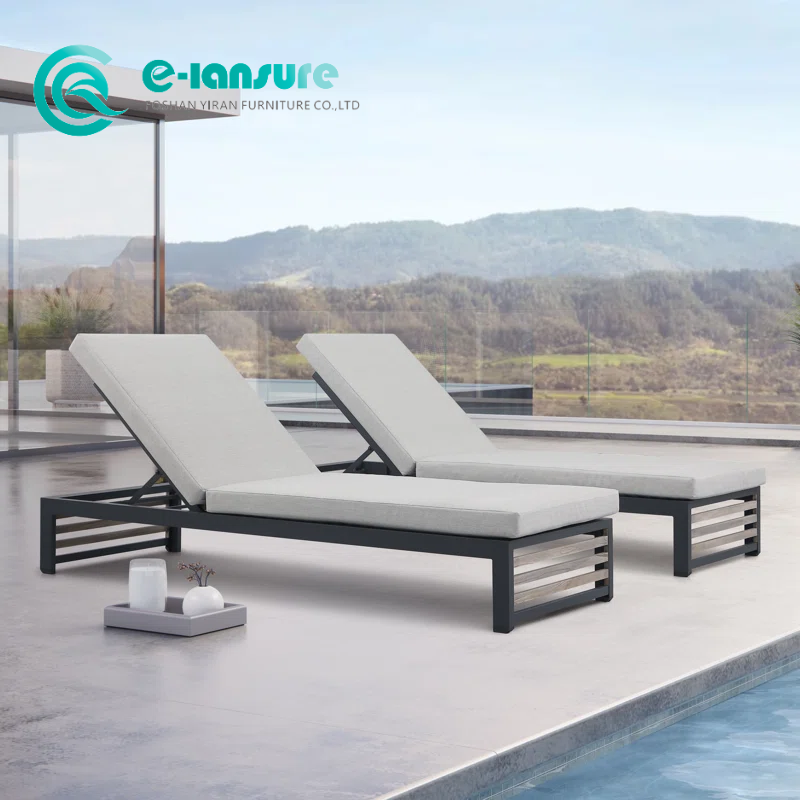
Structural Integrity Matters Most: An Aluminum Frame Outdoor Sun Lounger typically offers the most reliable baseline for rust resistance and ease of movement compared to heavier woods or brittle plastics.
Defining Your Baseline: Spatial Limits and Environmental Exposures
Before looking at specific designs, you must establish strict parameters. Your physical space and local weather patterns dictate your best options. Ignoring these baseline factors leads to buyer's remorse.
Measure the Footprint
You must balance standard lounger dimensions against your available clearance. A beautiful chair becomes an obstacle if it crowds your patio.
Standard Lengths: Most loungers measure between 75 and 80 inches long.
Navigational Space: Apply the rule of thumb. Leave a minimum of 3 feet of navigational space around the lounger.
Recline Clearance: Ensure you account for the backrest moving into a fully flat position. Do not measure based solely on the upright seated footprint.
Best Practice: Use painter's tape on your deck to outline the dimensions. This gives you a realistic sense of how the furniture impacts foot traffic.
Identify the Micro-Climate
Your specific backyard environment introduces unique threats to furniture longevity. You must match the material to the local elements.
Poolside/Coastal: This environment requires high resistance to saltwater, chlorine, and constant moisture. Salt air accelerates corrosion rapidly. You must select marine-grade materials here.
High UV/Unshaded: Uncovered southern exposures demand fade-resistant materials. You also need heat-reflective surfaces. Dark metals or cheap plastics will absorb heat and burn bare skin.
High Wind Areas: Rooftop terraces and open coastal decks face heavy gusts. This requires heavier bases to prevent tipping. Look for solid teak or weighted resin bases. Lightweight frames will blow into pools or cause property damage.
Commercial vs. Residential Usage
The frequency of use dictates your necessary build quality. A private balcony requires different specs than a busy family pool.
Residential Use: Standard usage usually supports two adults relaxing on weekends. Standard joints and fabrics suffice.
Commercial Use: High-traffic areas demand commercial-grade joints. You need reinforced fabrics and higher weight capacities. If you host frequent parties, treat your patio like a commercial space. Buy heavy-duty options to prevent premature wear.
Material Science: Weighing Lifespan Against Maintenance
The core frame material determines how long your furniture survives. It also dictates how much weekend time you spend maintaining it.
Material Comparison Chart
Material Type
Durability
Maintenance Level
Best Environment
Powder-Coated Aluminum
High
Low
Poolside, Coastal, High Moisture
Steel
High (Structurally)
Medium
Covered Patios, Dry Climates
Teak Wood
Very High
High
High Wind, Garden Settings
HDPE (Resin)
High
Low
High Wind, High Moisture
Metal Frames (Aluminum vs. Steel)
Metals offer incredible structural rigidity, but they react differently to moisture.
Aluminum Frame Outdoor Sun Lounger: This remains the industry standard for a reason. Aluminum is naturally rust-proof. It stays lightweight for easy relocation. It also provides excellent structural rigidity. Always look for powder-coated finishes. This baked-on layer provides vital UV protection and prevents oxidation scaling.
Stainless/Wrought Steel: Steel proves extremely durable and heavy. However, it remains highly susceptible to rust. If the protective coating scratches, moisture attacks the exposed iron instantly. You should actively avoid steel frames for coastal or poolside use.
Wood (Teak vs. Acacia vs. Softwoods)
Wooden frames bring organic warmth to a patio. They require active upkeep to maintain their appearance.
Teak: Teak delivers unmatched longevity. It features natural rot-resistance due to its dense, inherent oils. Implementation risk: It requires bi-annual oiling to maintain its warm honey color. If you skip this, it weathers to a silvery-gray. Teak carries a high initial cost. It is also quite heavy to move.
Acacia/Eucalyptus: These serve as budget-friendly wood alternatives. Risk: They are prone to warping or splintering. You must maintain them meticulously with sealants. They lack the dense oil profile of premium teak.
Synthetics (Resin, Polypropylene, and Wicker)
Modern synthetics mimic natural textures while resisting organic decay.
High-Density Polyethylene (HDPE): This recycled plastic is heavy and weather-impervious. It requires almost zero maintenance. It resists fading and will never splinter.
Resin Wicker/Rattan: Manufacturers must weave this material over a rust-proof frame. Always check for UV-stabilized indicators on the label. UV stabilization prevents the plastic vines from cracking and peeling after one summer.
Seat Construction: Cushions vs. Sling Mesh
Your choice of seating surface heavily impacts comfort and daily maintenance routines. You must decide between plush luxury and practical efficiency.
Textilene / Sling Mesh
Sling fabrics consist of woven, PVC-coated polyester yarns. They stretch tightly across the metal frame.
Pros: Mesh is highly breathable. It offers instant-drying capabilities after rain. It molds ergonomically to the body without needing extra padding. This makes it ideal for poolside use where wet swimsuits are common.
Evaluation criteria: You must check the denier (thickness) of the weave. Look for higher numbers indicating thicker threads. Inspect the heat-welded seams. Stitched seams on cheap mesh will rot and tear over time. Heat welding fuses the plastic together permanently.
Upholstered Cushions
Thick cushions provide an indoor-living feel to outdoor spaces.
Pros: They deliver maximum comfort and aesthetic luxury. They allow for bold color choices and patterns.
Evaluation criteria: You must insist on solution-dyed acrylics. Sunbrella is a prime example. Solution-dyed means the color runs through the entire thread, resisting bleach and sun-fading. You also need reticulated foam cores (quick-dry foam). Standard foam acts like a sponge and grows mold. Reticulated foam features open cells that let water pour right through. Remember, water-resistant fabrics do not mean waterproof.
Evaluating Ergonomics and Mechanical Features
A beautiful frame means nothing if the chair functions poorly. You must evaluate the moving parts carefully.
Adjustability Mechanics
Assess the reclining gear before purchasing. The backrest hinge endures the most stress of any component.
Position Locks: Look for 4-to-5 position locking systems. This variety ensures comfortable reading and resting angles.
Flat Lay Capability: Ensure the mechanism allows for a completely flat lay. This remains essential for stomach tanning and complete spinal relaxation.
Material Check: Check the actual track and teeth. Plastic locking teeth snap easily under pressure. Demand metal tracks for longevity.
Mobility & Storage
Think about how you will move and store the furniture throughout the year.
Wheels: Wheels prove crucial for tracking the sun across a patio. They also help you move heavy wooden frames. Check for rubberized treads. Avoid cheap, hollow plastic wheels. UV rays destroy hollow plastic, causing wheels to shatter.
Stackability/Folding: This feature is critical if you lack a shed or garage. Winter storage demands space efficiency. Folding frames or stackable designs protect your investment during off-seasons.
Add-On Utilities
Many modern units feature clever built-in conveniences. You must ensure these do not compromise the frame.
Built-in Trays: Slide-out drink trays save space. Ensure they glide smoothly on sturdy tracks.
Attachable Sunshades: These protect your face from direct UV rays.
Integrated Armrests: Armrests improve reading comfort. Assess if these mechanisms feel flimsy. Poorly attached armrests often introduce weak points into the primary frame.
The Shortlisting Framework: How to Make Your Final Decision
You can quickly narrow down hundreds of options using a structured approach. Follow this sequential framework to find your perfect match.
Step 1: Set the budget based on lifecycle. You must divide the initial cost by the expected years of survival. A $500 aluminum lounger lasting 10 years offers far better value than a $150 plastic chair cracking in two seasons. Think long-term.
Step 2: Filter by environment. Eliminate rust-prone materials if you live near the coast. Eliminate rot-prone woods if you live in wet, humid climates. Let your micro-climate dictate your materials.
Step 3: Check the warranty details. Look past the "limited lifetime" marketing jargon. Scrutinize what the warranty actually covers. Does it cover frame snaps but exclude fabric fading? Does it void if used near a saltwater pool? Read the fine print.
Step 4: Verify the maintenance commitment. Be brutally honest about your daily habits. Are you willing to oil wood twice a year? Will you realistically store cushions daily? Will you cover the furniture before storms? If you want zero chores, buy HDPE or powder-coated aluminum.
Conclusion
Choosing the right outdoor furniture transforms your patio experience. You must match the physical materials to your local environment.
The "best" outdoor sun lounger perfectly aligns with your specific climate and daily lifestyle.
Always prioritize structural integrity and weather resistance over pure aesthetic appeal.
When in doubt, default to a powder-coated aluminum frame paired with sling mesh. This combination offers the lowest maintenance-to-longevity ratio available.
Take action today: Measure your patio space, identify your winter storage capacity, and start filtering products using our four-step framework.
FAQ
Q: Can outdoor sun loungers be left outside all year?
A: It depends entirely on the frame material. Aluminum and HDPE can easily survive snowy winters. However, you should always remove and store cushions and sling fabrics indoors. This prevents freeze-thaw damage and debris buildup. Always use breathable, high-quality furniture covers during the off-season.
Q: What is the best material for a sun lounger around a saltwater pool?
A: You need a powder-coated Aluminum Frame Outdoor Sun Lounger or a marine-grade polymer chair. Steel frames will corrode rapidly in salt air. Untreated wood will also degrade and dry out quickly near chemically treated water.
Q: How much weight can a standard outdoor sun lounger hold?
A: Standard residential loungers typically hold between 250 and 300 lbs. Commercial-grade models or reinforced aluminum and teak frames can comfortably support up to 400+ lbs. Always check the manufacturer's spec sheets for verified load testing data.
Q: Are cushions necessary for outdoor loungers?
A: No. High-tension sling fabrics provide excellent ergonomic support on their own. They are highly weather-resistant and dry instantly. Cushions certainly upgrade overall comfort, but they introduce significant maintenance tasks. You will spend extra time storing, drying, and cleaning upholstered pads.
Foshan Yiran Furniture Co.,Ltd. which is located in Foshan Guangdong. It’s a traditional outdoor furniture factory integrating development, design, manufacture and sales.